The D’Artagnan 25th Anniversary Art Show

The D’Artagnan 25th Anniversary Art Show

Wow! Since I returned from Chicago I have not had a chance to post to the blog. It has been insanely busy:

There is the ongoing work on Augustus Saint Gaudens with the documentary script writing advancing slowly but steadily.  I am trying  to clarify some aspects of his father’s life —Bernard Saint-Gaudens— in their early years in NYC. It is quite fascinating to dig into the history of this period and  discover that there was a lot of French political immigrants in NYC. They all mingled at a German tavern called Pfaff’s. I found some evidence that Bernard was among the patrons. A famous client of Pfaff’s was Walt Whitman! Chances are the two men crossed paths. Now that is exciting to me! But this week I had to put Augustus and Bernard on the back burner as I prepared to hang a painting show for the D’Artagnan 25th Anniversary Art Show.

Ariane Daguin, president of D’Artagan, is celebrating the 25th Anniversary of her company and it is quite a grand affair. 200 native Gascons have flown over the Atlantic to assist in the celebration.  It all started by a beret toss contest on 14th street an 9th Ave on Thursday at noon. The passersby had never seen such an event. Two festive bands —we call them bandas in the south of France— animated the competition. I was proud to participate and tossed my beret really far …we all took gold, silver and bronze and that was a glass of delicious and crisp Colombelle white wine, tasty Saucisson & hearty paté — provided by d’Artagnan, of course! Ariane and her company have brought a whole new line of food products to the American table. In many ways she is a role model both as a friend and as an entrepreneur.
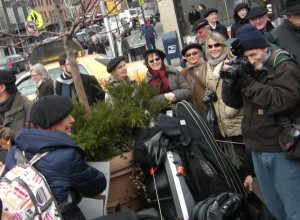
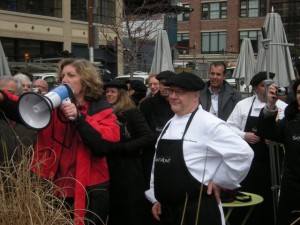
Photo 1: Nicole tossing the beret.
Photo 2: Ariane Daguin directing the strict contest sponsored by Saint Mont Wine

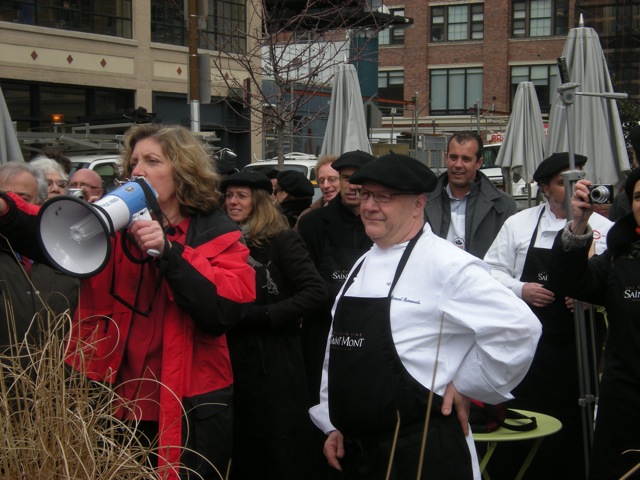
I can’t really get into the details of all the events, but the one I am most involved with is the art show. I am honored to be one of the Three Gascon Musketeers of Art picked by Ariane. I am also honored to show in the company of celebrated sculptor and rugby player Jean-Pierre Rives and famous Toulousain painter Michel Calvet.  I will show large canvases that have never been exhibited in the US before. I  hope to see you at the public opening on Tuesday February 23rd from 5-7 pm at:

The Musketeers Are Coming!
D’Artagnan 25th Anniversary Art Exhibition

You are cordially invited to a reception with the Gascon artists
Michel Calvet Nicole Peyrafitte Jean-Pierre Rives

TUESDAY FEBRUARY 23
5:00 PM until 7:00 PM
at
THE WORLD BAR (reception)
& DAG HAMMARSKÖLD PLAZA

Complementary appetizers by d’Artagnan & Cash bar

MICHEL CALVET & NICOLE PEYRAFITTE PAINTINGS AT:
WORLD BAR AT THE TRUMP WORLD TOWER
NEW YORK CITY’S PREMIER INTERNATIONAL COCKTAIL LOUNGE
845 United Nations Plaza
New York, NY 10017

JEAN-PIERRE RIVES SCULPTURE:
DAG HAMMARSKÖLD PLAZA, Sculpture Platform
“THE GATEWAY TO THE UNITED NATIONS”
47th Street and Second Avenue, South East Corner

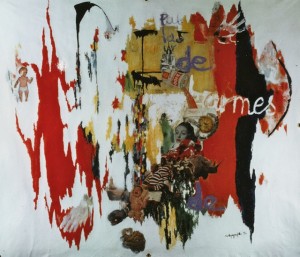
Michel Calvet
Nicole Peyrafitte
Jean-Pierre Rives

MERCI ARIANE AND D’ARTAGNAN
“UN POUR TOUS, TOUS POUR UN!”
Lo Magret goes to Paris!

Lo Magret goes to Paris!

André Daguin, chef/owner of the Hôtel de France in Auch (Gers) until 1997, tells how he gave a new life to the tasty magret de canard — and made it famous in the process:

magret“The magret was served only as “confit” in soups, cassoulets and everyone would find it dry. The only way to avoid that was to cook it less, but no one dared. I had arguments with my customers; they couldn’t believe it was duck meat! Bob Daley, the New York Times journalist, reported on the discovery of this ‘new’ meat.”

In Occitan-Gascon the word magret —from the latin magre, literally means “lean”. It is definitely the leanest piece of the canard gras — that is the fattened moulard duck raised for foie gras. To make moulard ducks fat, force-feeding is required for a few weeks.


A bas relief depiction of overfeeding geese
This ancient technique seems to be referenced as far back as the 5th century BC. The Moulard duck is a hybrid cross of Pekin and Muscovy duck. Do not confuse Moulard with the very lean wild Mallard duck.

magret

The magret is the breast that is detached from the carcass once the liver had carefully being extracted. In the canard gras nothing goes to waste. The skin is rendered for fat; the fat is then used to simmer the legs and manchons (wings). Once cooked this meat is known as le confit. Le confit is then stored in earthenware pots, covered with fat to seal it, and used throughout the winter in various preparations. The hearts (look here), livers, gizzards are pan fried with garlic and parsley, the carcasses (called “demoiselles” —or the misses) & tongues are grilled in the fireplace for snacks.

Speaking of carcasses: in 1990, while  doing an internship at the Daguin’s restaurant I witnessed a “concours de demoiselles” organized by the Château St. Mont in Plaimont (Gers). The goal of the “carcass eating/cleaning contest” is to eat as many demoiselles as possible in the least amount of time while leaving the bones clean as a whistle. The winner then stepped on a Roman scale and the opposite pan was filled with cases of Château St. Mont wine until it balanced!

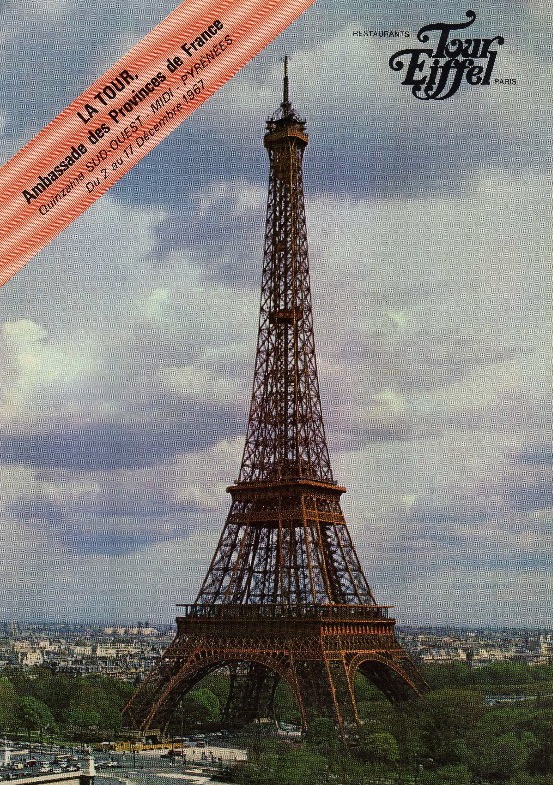
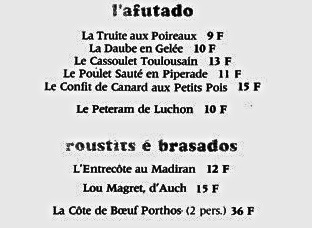
carte tour Eiffel

Another anecdote related to magret took place at the top floor restaurant of the Eiffel Tower in December of 1967. Jean & Renée Peyrafitte, my parents, & André & Jo Daguin, Ariane’s parents, were handed over the restaurant for La Quinzaine Midi-Pyrénées à la Tour Eiffel —two weeks of French Southwest fare in the skies of Paris — kind of the birth/ recognition of Cuisine du Terroir. I didn’t get to go, but I was 8 years old and I still remember all the excitement. The opening event was a banquet for the food writers and VIP’s. One of the most exciting items on the menu was the newly ‘dressed’ magret de canard. The magrets had been shipped from the Gers to arrive just on time, but on the morning of the event they had not yet arrived. The magrets were replaced with lamb and as in the Vatel story —though unlike Vatel my dad & André Daguin kept their calm and didn’t need to end their lifes over the problem— the magrets arrived during the luncheon. André Daguin, who like his daughter is never short of a creative idea when it comes to p.r., announced to the press that the magrets had just arrived; he showed them what they looked like, explained how to prepare them and one their way out all the diners were handed a magret wrapped in foil.  They got many write-ups, lot of word of mouth publicity and the restaurant was packed for the two full weeks!

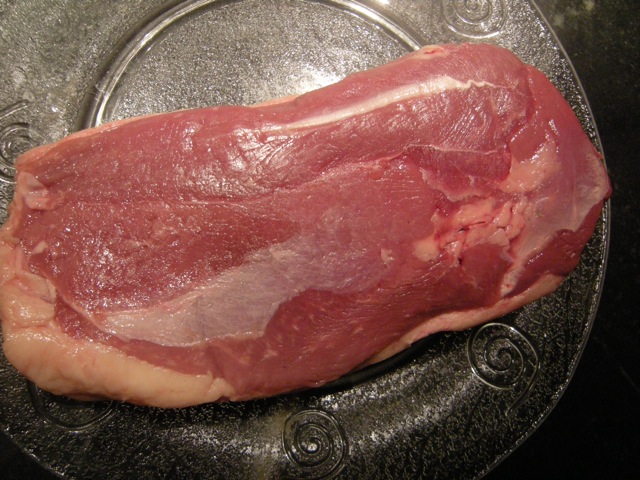
Today you can purchase magret through the d’Artagnan website. Some specialty store have duck breast but most of the time there are Muscovy Duck breast, which are good but smaller.  One of my favorite recipe that I used to make often at the family restaurant is Magret with walnut and honey glaze. I made it the other night and yum! it is tasty.

Recipe for Magret aux Noix et au Miel:

magret sauteed

2 Moulard magrets can serve 4
1 Shallot finely chopped
½ cup of Armagnac or Brandy
1 cup of stock or 2 tablespoon of demi-glace
2 teaspoons of honey
2 Tbsp shelled walnuts
1 tbsp of unsalted butter

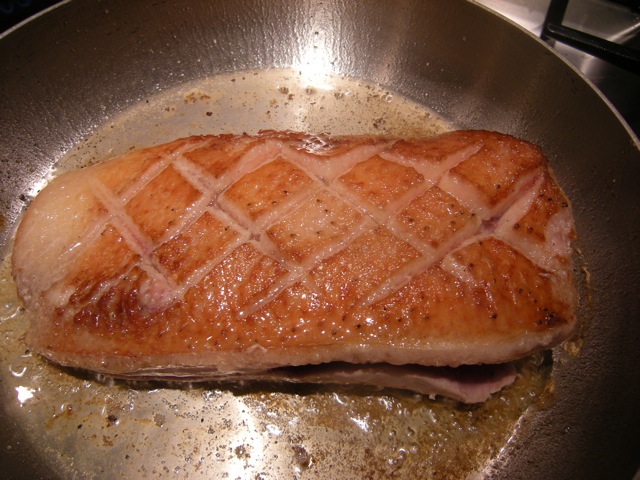
Score the skin of the duck magret. Do not cut into the meat, only the skin.
Salt and pepper both side.
Place in a warm skillet on the skin side — no need to add  fat, the skin will render plenty.
Cook for about 8 minutes or so on the skin side —if you like it pink. More for well done.
Flip it over on the meat side for about 4 minutes.
Remove from the pan keep the magret between two plates to avoid loss of heat.
Drain the fat from the pan except for about 1 tablespoon—keep fat to sauté potatoes.
Sauté ½ cup of shallots until translucent.
Deglaze pan with 1/2 cup of Armagnac and flambé —I alway turn off the fan when I do it.
Add 1 tablespoon of honey and 1 cup of broth or better, some demi-glace.
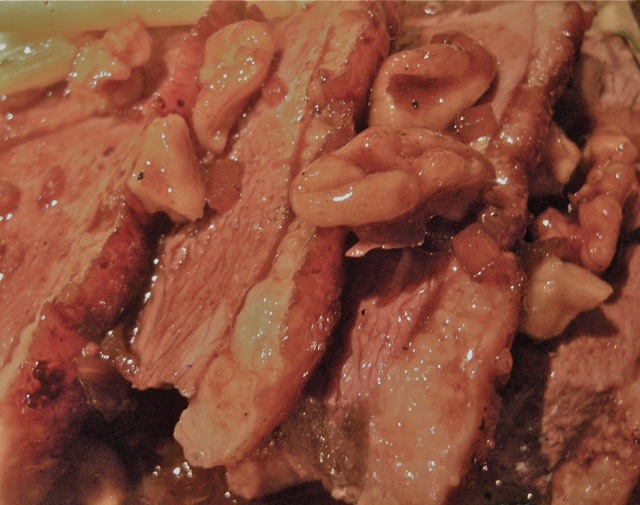
Let reduce, then add 2 Tbsp shelled walnuts —do not let the walnuts sit too long in the pan as they will give a bitter taste to your sauce.
Cut you magret in slices horizontally, pour all the juice in the sauce pan.
At the last minute finish your sauce with a dollop of soft butter, salt & pepper to taste.
Serve with your favorite starch.
Thanks again and again to Renée Peyrafitte for saving & scanning the original documents.
Merci à André Daguin de répondre à mes questions.
And taben mercès pla ta l’amic Marc per l’ajude dab los mots en Gascon!
Adishatz!


En Route!

En Route!

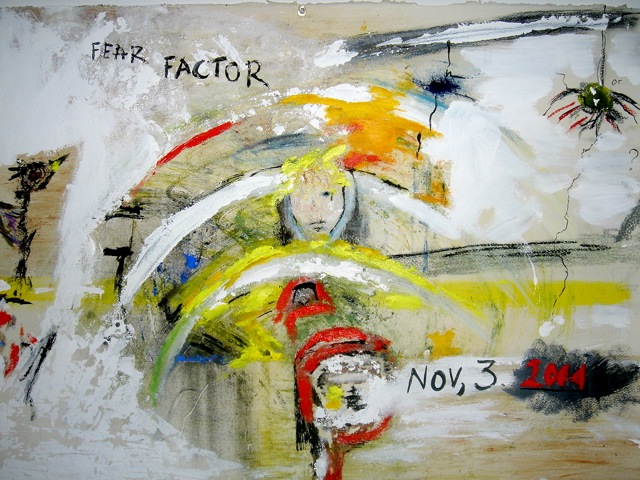
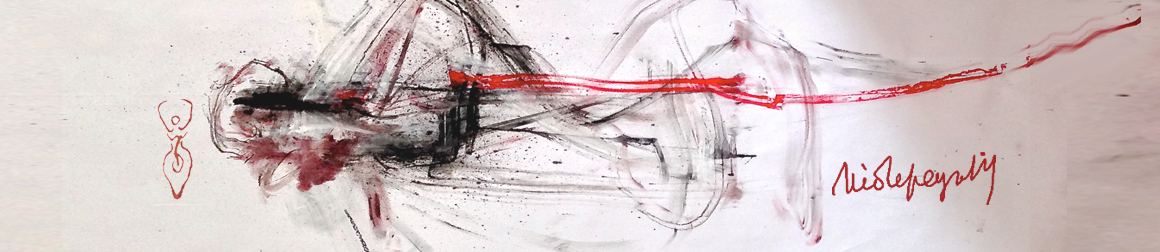
Fear Factor by Nicole Peyrafitte (Nov 3rd 2004)Fear Factor Nov. 3, 2004 painting by N.P
(part of the Angoulème performance)

I really miss writing the blog regularly but a couple of deadlines have kept me totally busy. One of them is the preparation of the performance with Pierre Joris & Miles Joris-Peyrafitte that will happen this coming Thursday in Angoulême (France). No Thanksgiving for us! We are off tomorrow and below is the info about the show in case you are around this area. This is my first trip to the Poitou-Charente region and I am looking forward to discover their food specialties and have some of the delicious Pineau des Charentes — a mix of wine and cognac. It will be my pleasure to report if I have any time to do so. But right after, I am off to the Pyrenees for more work on Augustus Saint Gaudens.  I am leaving you with a few posts from last year, and please do dig into the archives and the categories.

Cabbage: a Winner for the Winter! (I)

A Winner for the Winter (II) : Cabbage Roll

Preview Recording & Thanksgiving

Angoulême Performance

Thursday November 25th 2:30Pm
L’art, L’éducation et le politique
Colloque International, Angoulême
Salle Nemo

Description of the show:

A multimedia performance of texts, videos, music, paintings commenting the “years of lead” (2000-2008) in the USA  and examining the relation beetween art, politic & education.  Pierre Joris, Nicole Peyrafitte & Miles Joris-Peyrafitte propose individual and communal attempts at resisting & criticizing the “Pax Americana.”

Back!

Back!

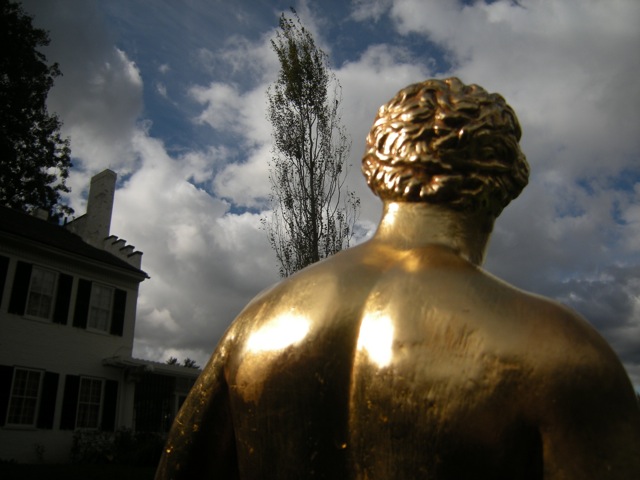
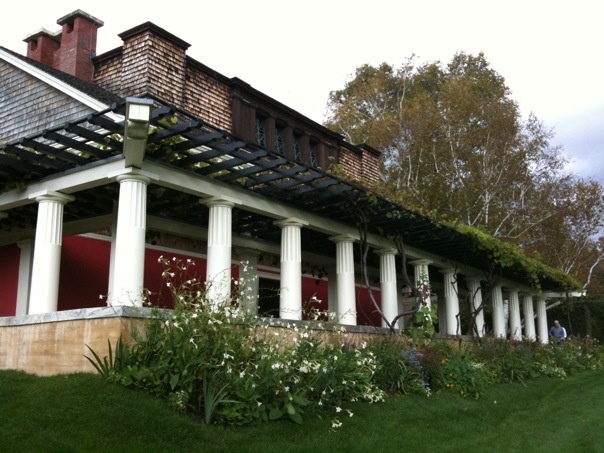
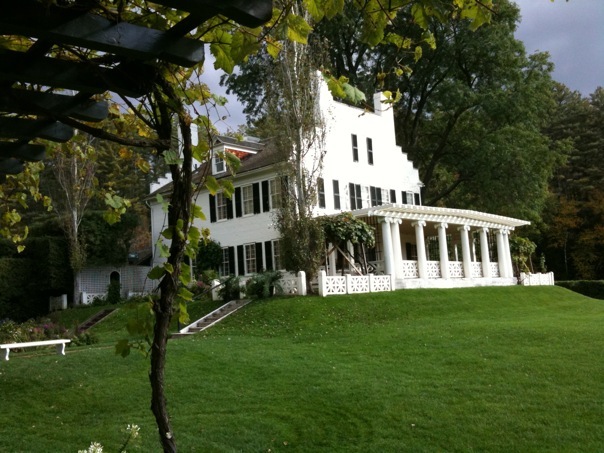
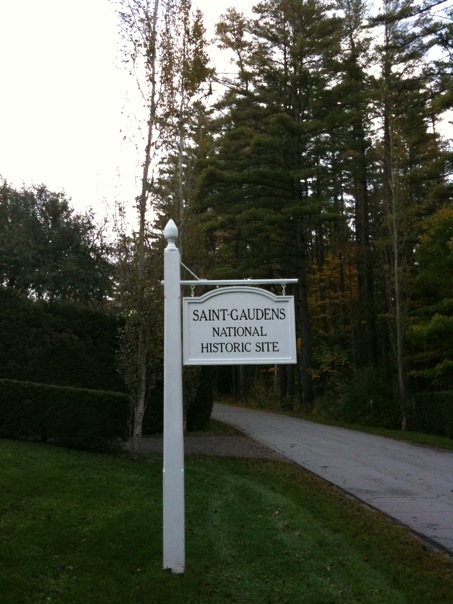
Aspet gardens-Saint Gaudens National Historic Site

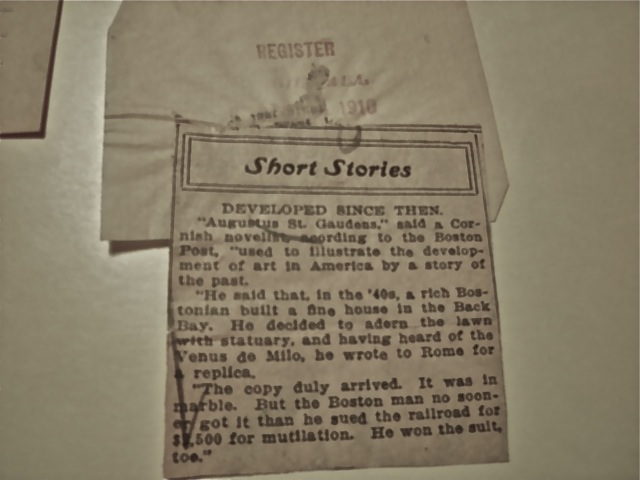
What I miss most when I travel is cooking my own food. During my trip to Boston, Springfield (MA) & Cornish (NH) nothing I hate was memorable, though all very decent. The highlight was definitely a vegetable chowder and a lobster roll at the Windsor (VT) train station.  The focus on my trip was not food at all, but more research on Augustus Saint Gaudens (1848-1907). My first involvement with the American sculptor began in 2005 when I was commissioned to create a multimedia performance for the 2007 hundredth anniversary of his death. Augustus Saint Gaudens and I share common Gascon origins. Augustus’ father, Bernard St-Gaudens, was born in Aspet (French Pyrenees) in 1816 —the  village of Aspet is next to my hometown. Bernard St-Gaudens (they spelled their names differently) was a shoemaker, he left Aspet very young, moved to Salies du Salat, Carcassonne, Paris, London and settled in Ireland where he married Mary McGuiness in 1841. Together and with their 6 month old  son Augustus, they emigrated to the USA in 1848. There is currently a show at the Metropolitan Museum on the museum collection of the artist. Anyhow I will not get into details now, but I will leave you with the photograph of a funny article that I found in the archives at the Rauner Special Collections at Dartmouth. More soon!

Rauner Special Collections Dartmouth

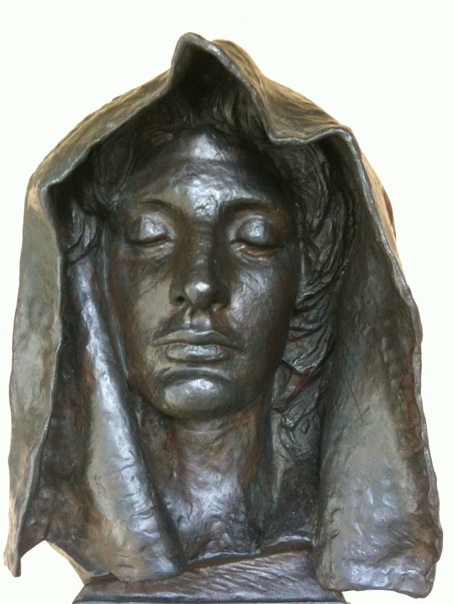
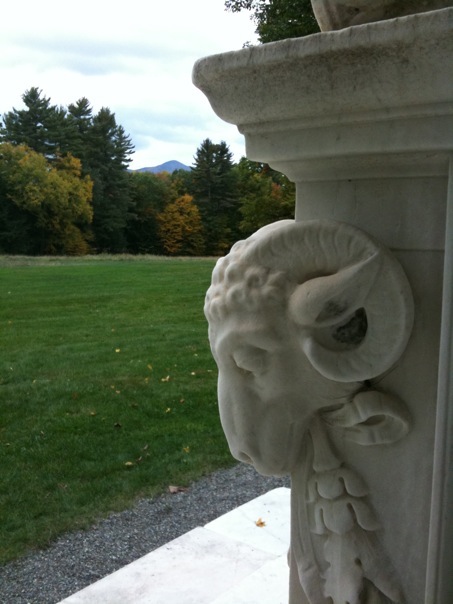
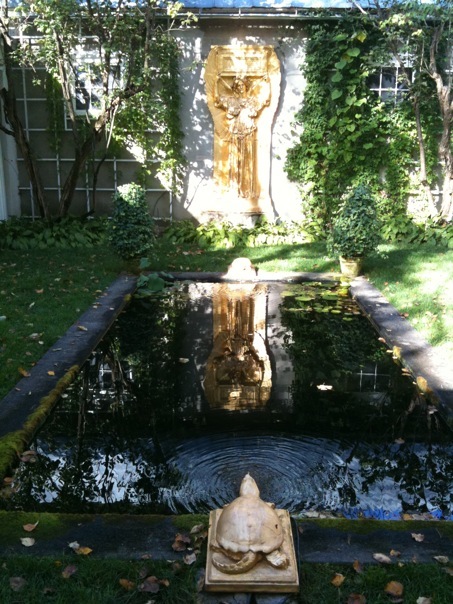
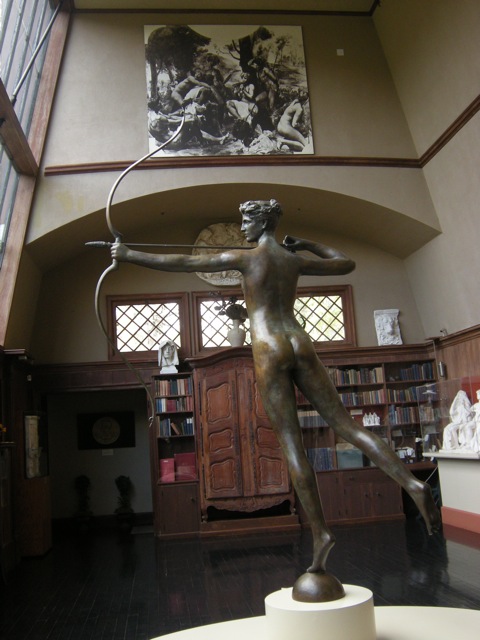
ASG studio-Saint Gaudens National Historic Site- Cornish NHAdams memorial head-Saint Gaudens National Historic Site- Cornish NHAspet-Saint Gaudens National Historic Site- Cornish NHShaw Memorial-Saint Gaudens National Historic SiteSaint Gaudens National Historic Site- Cornish NHSaint Gaudens National Historic Site- Cornish NHSaint Gaudens National Historic Site- Cornish NHDiana in ASG studio Aspet-Saint Gaudens National Historic Site

Transit & Cranes

Transit & Cranes

DSCN3628


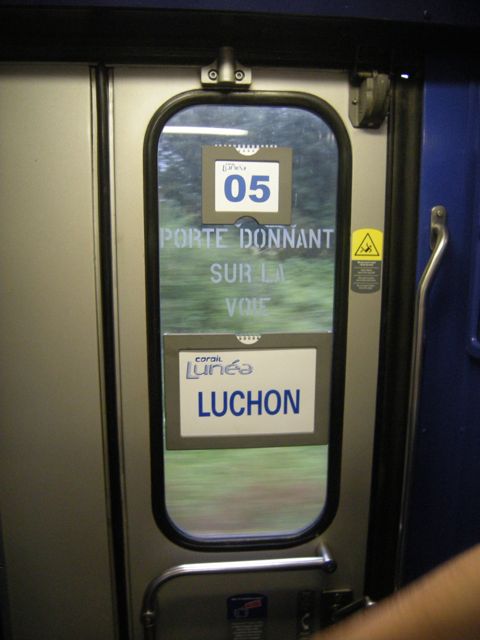
After a long trip we arrived in my hometown, Luchon, in the Central Pyrenées.  There is very little time to process pictures and notes gathered daily. Since we got here, it has been an uninterrupted stream of aperitifs, meals, digestifs with family and friends.
For now I will report on our transit day in Paris on 14 July, Bastille Day. We landed from our transcontinental flight midday and directly headed to Gare d’Austerlitz to drop off our luggage until our night train to Luchon. It sounded convenient and pleasant to have lunch at the nearby Jardin des Plantes and then spend time in the gardens and menageries. As Bastille Day is also Pierre’s birthday, we were really looking forward to a nice meal on the outside terrace of the newly renovated restaurant “ La Baleine.” The sun, the bread & very decent house wine kept us content, though the meal was mediocre, overpriced and the service lousy.
The garden was originally planted in 1626 as a medicinal herb garden. Back then it was known as the Jardin du Roi
(Louis XIII). In 1640 it opened to the public. In 1792 the Royal Menagerie was moved to the gardens from Versailles. Among a wide variety of animals we had a great time watching the super entertaining orangutans, the 250 lb 120 years old Aldabra Giant tortoise (Geochelone gigantea) and I was particularly delighted spending time with the White Nape Cranes. Last fall I wrote a piece called crane/grue that is on my cd Whisk! Don’t Churn! Below you will find the recording as the sound track of the video I shot Monday.

So voilà for now! My son Miles and I are off tomorrow for a short trip to Aix-en-Provence for a mother and son adventure, while Pierre Joris will be in Lodève at the Poetry Festival “Les Voix de la Mediterranée.” We will join him towards the end of the week for a shared performance, and then back to the Pyrenées — and for now, as we say here, Adishatz!


1 7 8 9 10 11 17