A Degree of Uncertainty II
Stand4 Gallery & Community Art Center
414 78th Street, Brooklyn, NY
November 15 – 23, 2025
Gallery hours: Saturdays & Sundays, 12–3 PM
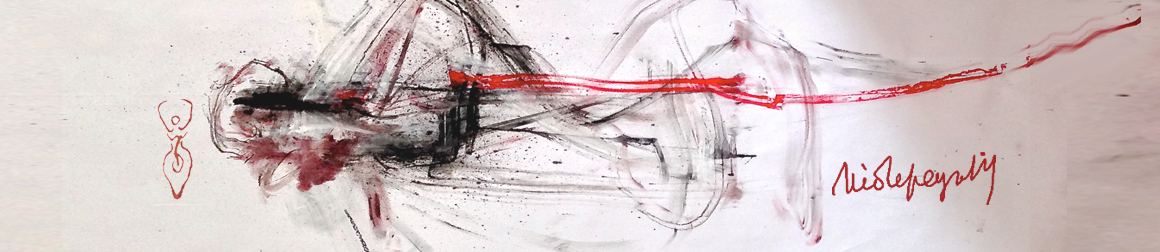
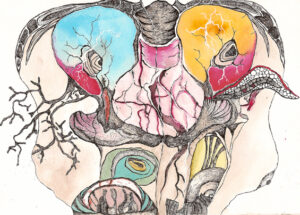
I’m pleased to take part in this invitational small-works exhibition exploring how every measure—of art, life, or science—carries its own degree of uncertainty.
Works are available for purchase online through Stand4 Gallery’s shop & webiste:https://stand4-gallery.square.site/s/shop
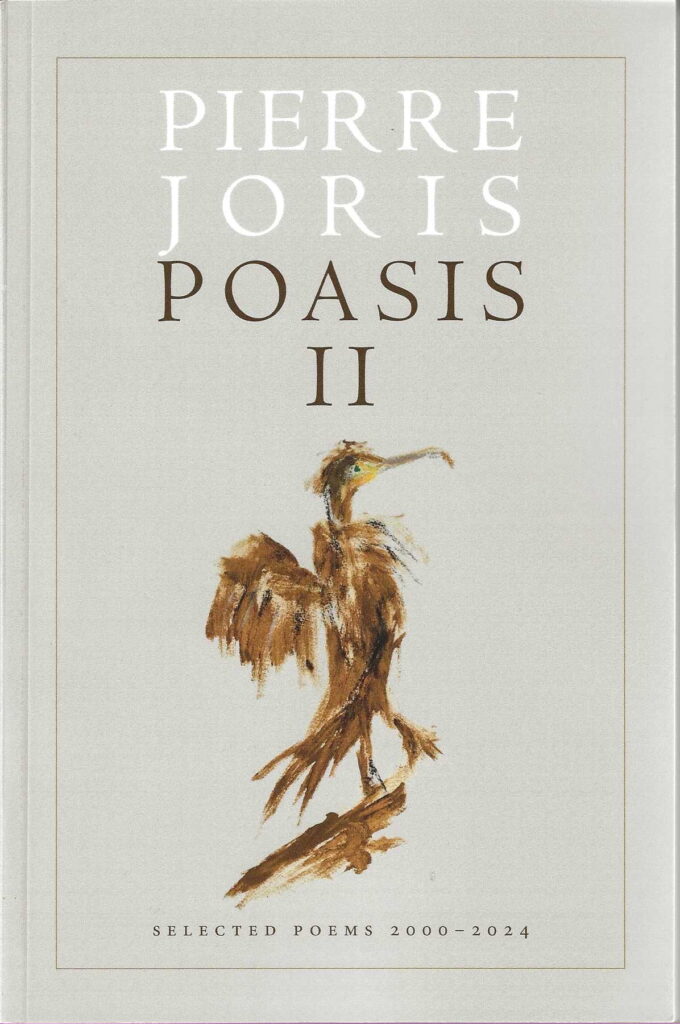
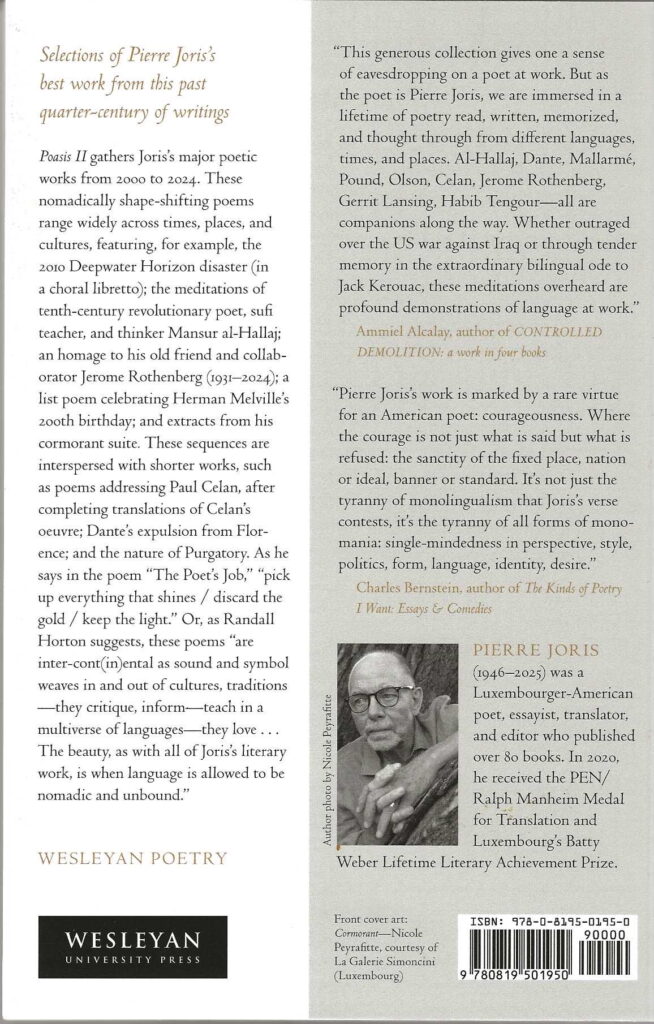
I hope this note finds you well, resilient & able to enjoy replenishing moments. On my side, it’s been busy — which is good, because adjusting to life without Pierre is not easy. Grief is a quite a journey, I’m trying to embrace it as best as possible while keeping active, which is, thankfully, my nature. One major focus has been getting Pierre’s selected poems POASIS II ready. He had finished the manuscript before he passed and had done most of the copyediting. It’s now fresh off the press — and it really looks beautiful. Please save the date for the upcoming NYC Memorial & POASIS II book launch:
Friday September 12, 2025 Pierre Joris — Poasis: Many Tongues, Many Fires The Poetry Project at St. Mark’s Church 131 E 10th St, New York, NY Reception 7:15PM Reading: 8PM sharp
The program will feature poetry, music, & tributes reflecting the scope of Pierre’s decades-spanning, boundary-crossing work. — and most of all POASIS II (Wesleyan University Press), selected poems from 2000–2024. Copies will be available at the event, and you can also order the book online if you cannot attend. Book link: https://www.weslpress.org/9780819501950/poasis-ii/
On this occasion, we are thrilled to launch the Pierre Joris Fund for Radical Reversal. Pierre cared deeply about this program & had a lasting impact on its founder, poet and Executive Director Randall Horton. While earning his PhD at SUNY Albany after returning to society from the carceral state, Randall found in Pierre a mentor who recognized the urgency of his voice: “I am not Dr. Horton without Pierre.” The fund supports arts programs for young people at the Jefferson County Youth Detention Center in Birmingham, Alabama — providing books, art supplies, and teaching artists to foster healing, self-discovery, and a powerful turn toward a brighter future.
Philadelphia — September 10, 2025 The Kelly Writers House, UPENN Special Episode of PoemTalk: Pierre Joris & Jerome Rothenberg 6:00 PM in person Co-sponsored by: The Creative Writing Program RSVP here to attend in person
Albany — September 27, 2025 Pierre Joris — Poasis & Beyond: Always the ManyPart 1: Panel — 4:00–5:30 p.m. in UAlbany Campus Center Auditorium, Sponsored by NYSWI and Department of English. Part 2: Reading & Performance — 6:30 p.m. in UAlbany Campus Center Multipurpose Room following a 5:30 p.m. reception. Hosted by Department of English with support from NYSWI. More details TBA. Presented by The English Department, New York State Writers Institute, and University at Albany, as part of NYSWI Book Festival
Turning to My Own Projects:
Bird-State in Iceland!
Next week I leave for a two-week artist residency at Gullkistan, Center for Creativity in Iceland. I’m excited to immerse myself in the landscape, document birds, and work in that extraordinary environment while pursuing my ongoing project Bird-State.If you missed the spring exhibition Bird-State: Amor de Lohn, there is a full documentation of the project here
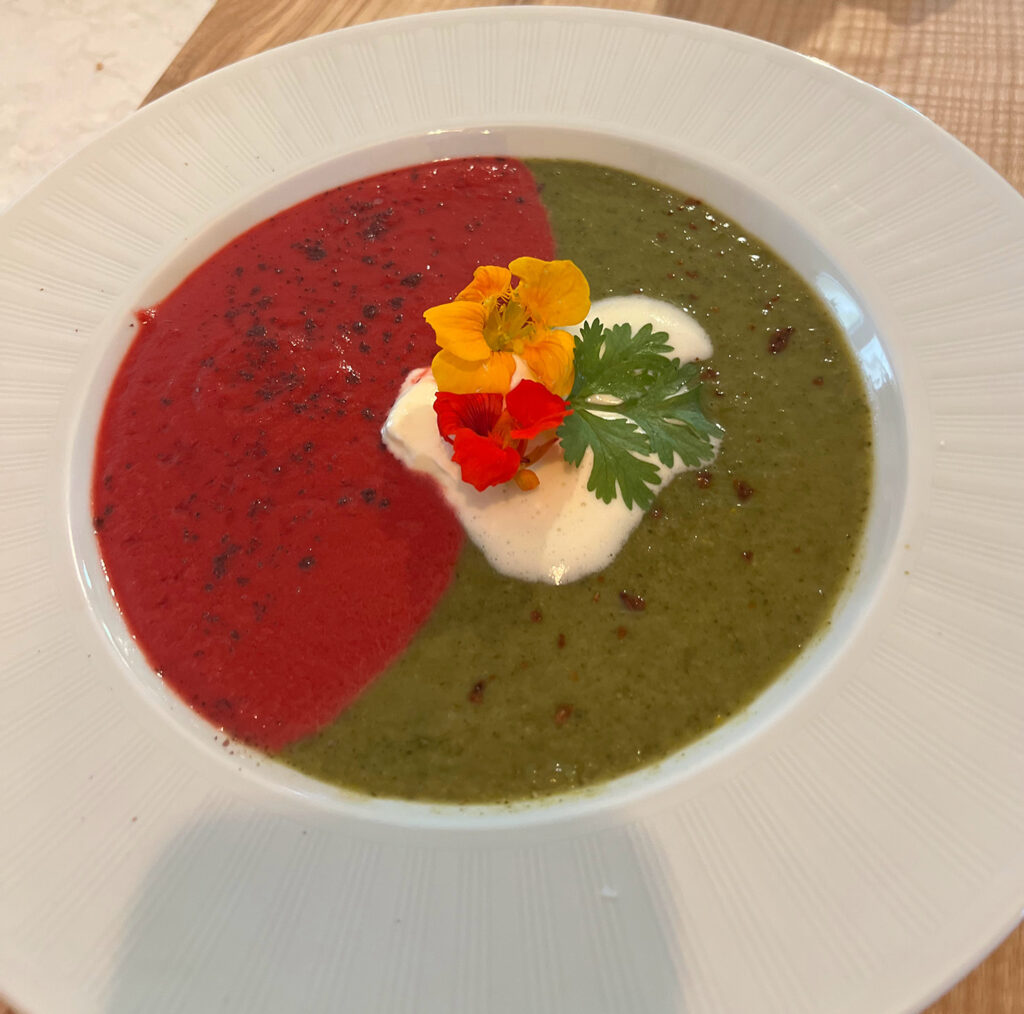
Voilà! Voilà Kitchen! September Launch
With my great friend Ariane Daguin — co-founder of D’Artagnan, culinary celebrity, & champion of sustainable, high-quality ingredients — we are launching Voilà Voilà! Kitchen, a social media cooking channel.
We’re thrilled to continue a family tradition — our parents collaborated on gastronomy projects starting in the 1960s. Our videos bring that spirit to today’s kitchen: quick, flavorful recipes, a good dose of Gascon humor, and the great joy of cooking together.
And yes! we’re definitely counting on all of you to help make us viral! So please, tune in soon to “like” & comment!!
You will find us on: Instagram: @voilavoilakitchen Facebook: @voilavoilakitchen TikTok: @voilavoilakitchen YouTube:@voilavoilakitchen
Philadelphia — September 10, 2025
The Kelly Writers House, UPENN Special Episode of PoemTalk: Pierre Joris & Jerome Rothenberg 6:00 PM in person Co-sponsored by: The Creative Writing Program RSVP here to attend in person
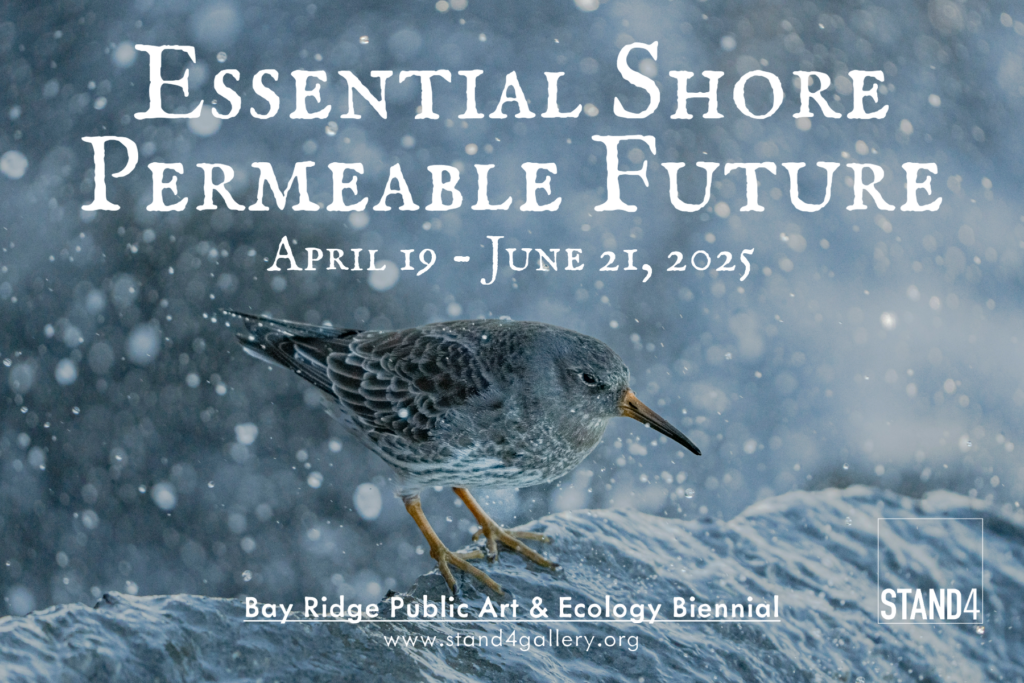
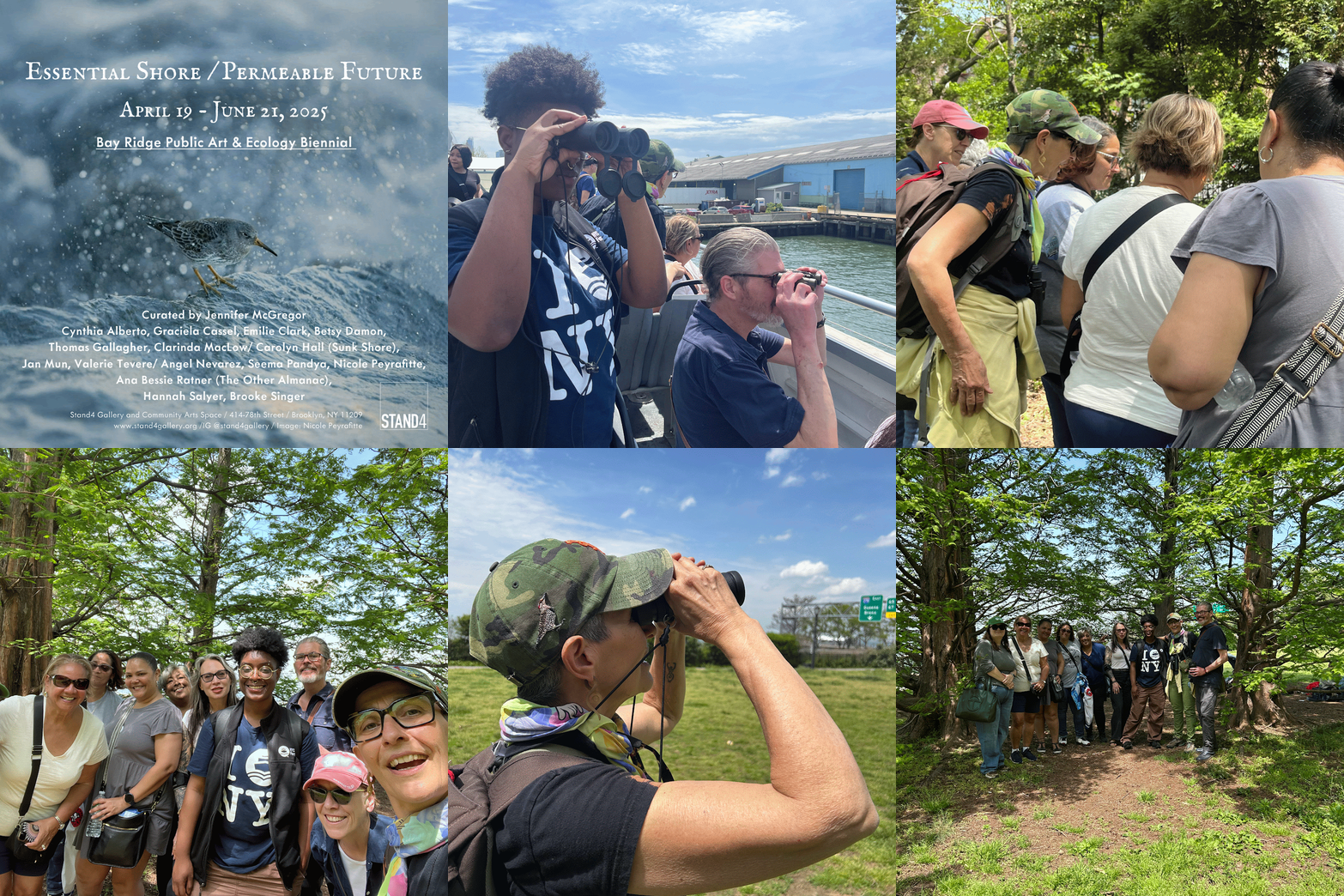
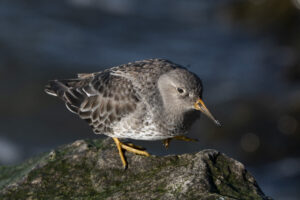
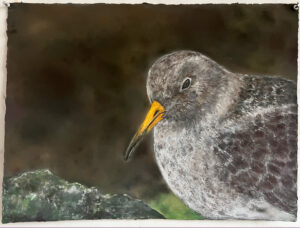
On Saturday, May 3, I had the pleasure of leading a special event aboard the ferry between Corlears Hook and Bay Ridge, organized through the Ferry Community Outreach Initiatives & Jeannine Bardo, director of Stand4 Gallery, as part of the exhibition Essential Shore / Permeable Future, curated by Jennifer McGregor. My focus for this project was the Purple Sandpipers—a migratory, medium-sized shorebird that winters along the Shore Promenade in Bay Ridge, right by the Belt Parkway. They arrive from their high Arctic breeding grounds in Northern Canada in late November or early December and stay with us until late April or early May. By the time of the event, the Purple Sandpipers had already migrated north for the season, so we didn’t get to see them. To make up for it, here is a PDF with more information about the Purple Sandpipers and details about my installation, for those who couldn’t make it to the gallery. The exhibition runs through June 21, so let me know if you plan to visit—I’d love to meet you.
This blog offers a few impressions, documentation, and glimpses—including notes from the day itself, as well as reflections and materials related to its preparation. Uncertain about the weather, I had prepared some materials in case we had to remain inside the ferry. Fortunately, it turned out to be a gorgeous, sunny day, and we were able to observe from the deck, followed by a lovely stroll on the pier and through the Narrows Botanical Garden.
The group included longtime residents of the Lower East Side, Brooklynites from Bed-Stuy & Sunset Park, and myself from Bay Ridge. While the tour focused primarily on birds and nature, I always feel it’s important to contextualize and better understand the shores we journey alongside. I gathered some basic information—some of it drawn from a previous project—to share with the group, and since we didn’t have time to cover everything during the ferry ride, I’m collecting it here as a memento.
First, the list of birds & creatures we saw along our excursion: Double-crested Cormorant, Laughing Gull, Ring-billed Gull, Herring Gull, Great Black-backed Gull, American Black Duck, Brant, Canada Geese, Common Tern, House Sparrow, Gray Catbird, Common Grackle, Mourning Dove, Fish Crow (and their nest), Painted Turtle, Box Turtle.
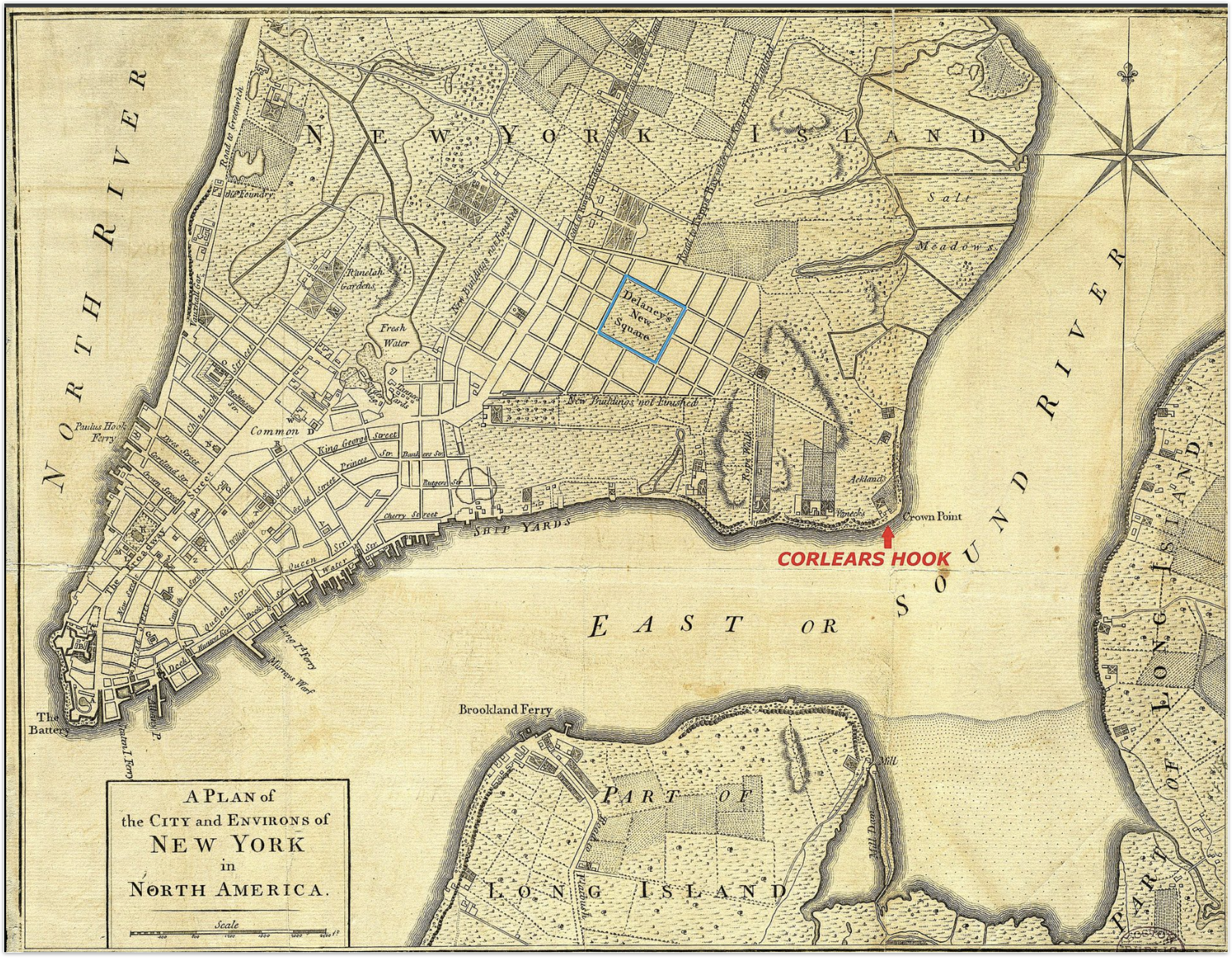
Since we boarded the ferry at Corlears Hook…
Corlears Hook holds a rich and layered history, evolving from a Lenape settlement to a Dutch farm, a site of colonial violence, a bustling 19th-century port, and later, an infamous red-light district. The name comes from Jacobus van Corlaer, a 17th-century Dutch schoolmaster, and also from the shape of the land itself—jutting into the East River like a hook. In the 1820s, the area became notorious for its brothels and, according to some sources, even gave rise to the term “hooker.”
Indigenous Presence and Displacement
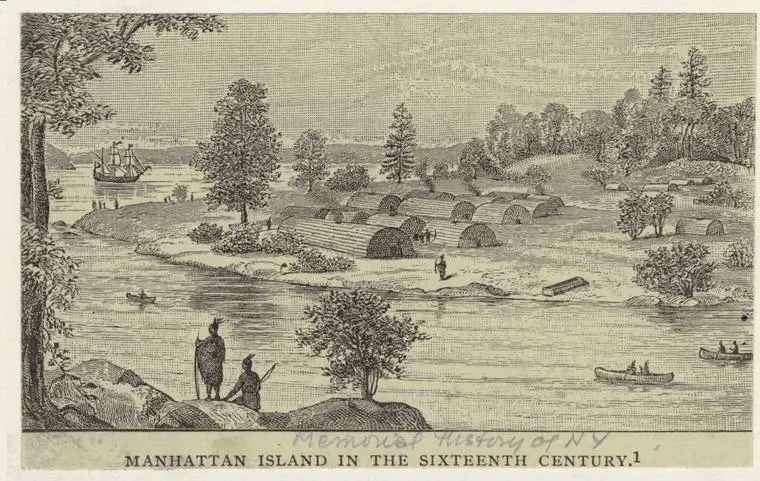
Originally marshland, Corlears Hook was used by the Mareckawick group of the Canarsee tribe—part of the Lenape nation—as a canoe landing site. The settlement, called Naghtongh, was covered in swamps and beach land. The Wecquaesgeek, a Munsee-speaking band of the Wappingers people (closely related to the Lenape), lived along the east bank of the Hudson in what is now the Bronx and Westchester.
On February 25, 1643, Dutch Governor Willem Kieft launched coordinated attacks on Weckquaesgeek and Tappan encampments at Corlears Hook and Pavonia (across the river in present-day New Jersey). That night, 120 Native men, women, and children were massacred—an event that remains a brutal marker of early colonial violence. More info here
Manhattan: The Name and Its Meaning
The name Manhattan originates from the Lenape language, specifically Munsee. The word manaháhtaan combines manah- (“gather”), -aht- (“bow”), and -aan, a grammatical element used to form verb stems. It’s often translated as “the place where we get bows” or “place for gathering the (wood to make) bows.” This name, still in use today, carries with it traces of the island’s original use and inhabitants.
The Brooklyn Bridge
The Brooklyn Bridge was the first fixed bridge to connect Manhattan and Brooklyn across the East River. Designed by German immigrant John A. Roebling, construction began in 1870 and the bridge officially opened on May 24, 1883. At the time, it was the longest suspension bridge in the world, stretching 1.1 miles. Before its construction, ferries were the primary means of crossing between Manhattan and Brooklyn. The bridge not only revolutionized transportation but also physically united two formerly separate cities—Brooklyn and New York—forever changing the shape of the city.
Roebling died of tetanus after a surveying accident crushed his foot, and his son, Washington Roebling, took over the project. Washington later developed caisson disease—commonly known as “the bends”—while working in the pressurized foundations. Though physically incapacitated, he continued to oversee construction with the crucial assistance of his wife, Emily Warren Roebling. The bridge took 13 years to complete and claimed the lives of 27 workers.
It’s also worth noting that U.S. Senator Henry Cruse Murphy—considered a founding father of Brooklyn—drafted the bill authorizing the construction of the bridge from his mansion, which once stood on the grounds of what is now Owl’s Head Park in Bay Ridge. He also founded The Brooklyn Eagle and served as one of its first editors, shaping both the physical and cultural landscape of the borough.
In 2005, while researching for another project, I wrote a song in honor of the Brooklyn Bridge. It was later recorded and included on my album The Bi-Continental Chowder. You can listen to the track below with photo taken then.
Liberty Enlightening the World
As the ferry continued south, we passed the Statue of Liberty. Officially titled Liberty Enlightening the World, the statue was a gift of friendship from the people of France to the United States. It was dedicated by President Grover Cleveland on October 28, 1886.
Constructed in France over the course of nine years (1875–1884), the statue was then disassembled, shipped across the Atlantic, & reassembled on Liberty Island in just four months after the pedestal was completed. The full process—from initial conception in 1865 to final dedication in 1886—spanned 21 years and required massive fundraising efforts in both France and the United States.
PAGGANK a.k.a : Governors Island
Originally known to the Lenape people as Paggank (“Nut Island”) for its abundance of nut-bearing trees, the island was later named Noten Eylandt by the Dutch, then Anglicized to Nutten Island, and finally became Governors Island by the late 18th century. In 1755, during the French and Indian War—a North American theater of the global Seven Years’ War—the island was first used as a military installation. The war saw British colonies (population ~2 million) clash with French colonies (~60,000), each side supported by different Native American allies. The French, being outnumbered, relied heavily on their Native alliances.
Bay Ridge: A Neighborhood with Deep Roots Our final stop was Bay Ridge, located in southwestern Brooklyn—a neighborhood with a rich history dating back to the 17th century. Originally part of the Dutch town of New Utrecht, the area was once known as Yellow Hook, named for the color of its soil.
During the American Revolution, Bay Ridge played a small but strategic role due to its location along New York Harbor and proximity to the Narrows. On August 22, 1776, British troops under General William Howe landed near what is now Bay Ridge, using the shoreline as a staging ground for the Battle of Long Island (also known as the Battle of Brooklyn), the first major battle following the Declaration of Independence. The British landed just south of Bay Ridge, near Gravesend Bay, and advanced north through Brooklyn, eventually outflanking and defeating American forces led by General George Washington. The loss forced the Continental Army to retreat to Manhattan, preserving its strength for future battles.
Narrows Botanical Gardens: A Community Oasis Established in 1995 by local volunteers, the Narrows Botanical Gardens transformed 4.5 acres of neglected parkland along Shore Road between Bay Ridge Avenue and 72nd Street into a vibrant green space. This community-led initiative features a variety of themed gardens, including a lily pond, butterfly garden, Zen garden, and a Native Plant Garden with a turtle sanctuary. It also serves as a sanctuary site for the Wild Bird Fund, offering a safe habitat for recovering and released birds. Maintained entirely by community volunteers, the gardens are a beloved oasis for both people and wildlife in Bay Ridge. They host various events throughout the year.
To me, it was a really special day—full of small discoveries, good company, and moments of connection across neighborhoods. I’m deeply grateful to everyone who joined, shared, and made time to be part of it. Special thanks to Jeannine Bardo, director of Stand4, and to Sarah and Anika from the Ferry Community Outreach team for making it all possible. I hope these notes, reflections, and glimpses offer something back to those who were with us, and to those following along from afar. You can view the full album of photos from the day and the exhibition here. Meanwhile à bientôt ! and keep in touch!
I am truly thrilled to be part of this exhibition:
Essential Shore / Permeable Future
Bay Ridge Public Art & Ecology Biennial April 19 – June 21, 2025
Opening Reception
3:00 – 6:00 PM
Stand4 Gallery
414 78th Street
Bay Ridge, Brooklyn New York 11209
R train. around the cornet of 77th street MAP
and Opening Day Events:
Saturday, April 19, 12:00 – 6:00 PM
12:00 – 2:30 Protest Karaoke (Angel Nevarez & Valerie Tevere) Owls Head Park
12:00 – 2:00 Lingo Bingo (Thomas Gallagher), Owls Head Park.
12:00 – 3:00 Gallery open for viewing
3:00 – 6:00 Opening Reception at Stand4 Gallery
3:00 – 5:00 Lingo Bingo at Stand4 Gallery
— May 3rd : I will lead a Bird Tour on NYC Ferry (details coming soon)
— June 11 : Part of the Film Screening at Alpine Cinema (evening)
Curated by Jennifer McGregor
Participating Artists: Cynthia Alberto, Graciela Cassel, Emilie Clark, Betsy Damon,
Thomas Gallagher, Clarinda Mac Low/ Carolyn Hall (Sunk Shore), Jan Mun, Valerie Tevere/
Angel Nevarez, Seema Lisa Pandya, Nicole Peyrafitte, Ana Bessie Ratner (The Other
Almanac), Hannah Salyer, Brooke Singer